
What can I cook with
what I have?
Do not start with a recipe database. Start with the kitchen in front of you: ingredients, freshness, time, equipment and how much shopping you are willing to do.
Start with the ingredients that define the meal, then rank options by what you already cover. If one ingredient needs using soon, let that break the tie. The best answer is usually the meal with the strongest pantry coverage and the smallest shopping delta.
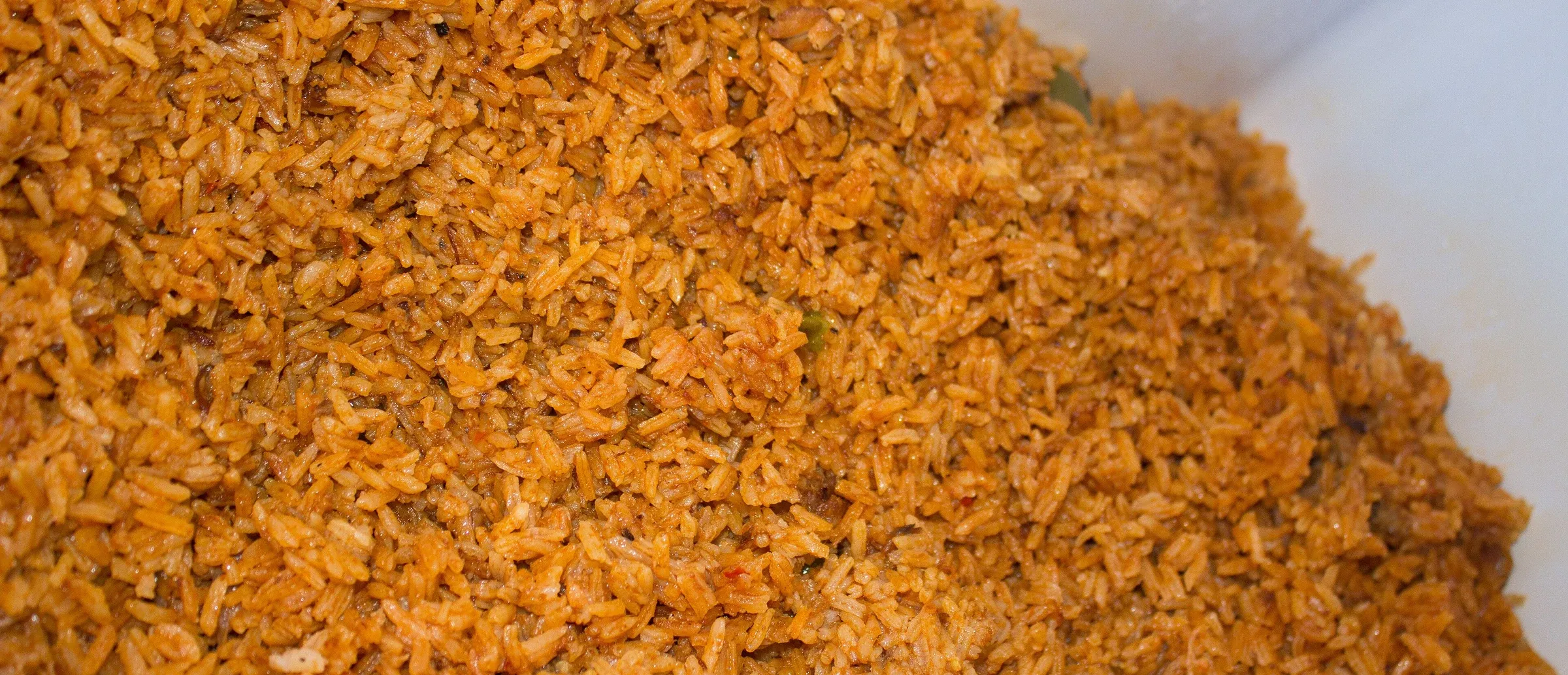
is the query.
How do I decide what to cook from the ingredients I already have?
Pick 3–5 candidate meals, then eliminate anything that needs too many missing ingredients, too much time or ignores food that needs using.
That turns an open-ended inspiration problem into a constrained decision.
Start with anchors.
Protein, starch, dominant vegetable or sauce base. These define the useful search space faster than listing every spice in the cupboard.
Check the gap.
Ask what each option still requires. One missing onion is different from an entire second shopping list.
Let urgency vote.
If spinach, tomatoes or cooked chicken need attention first, they should influence the ranking.
What makes one recipe a better pantry match than another?
A strong match uses more of your meaningful ingredients, needs fewer new purchases and fits the time and equipment you actually have.
Why is this more useful than a generic recipe search?
Because “contains chicken” is not enough. The useful answer explains why an option fits your kitchen and what trade-off you are making.
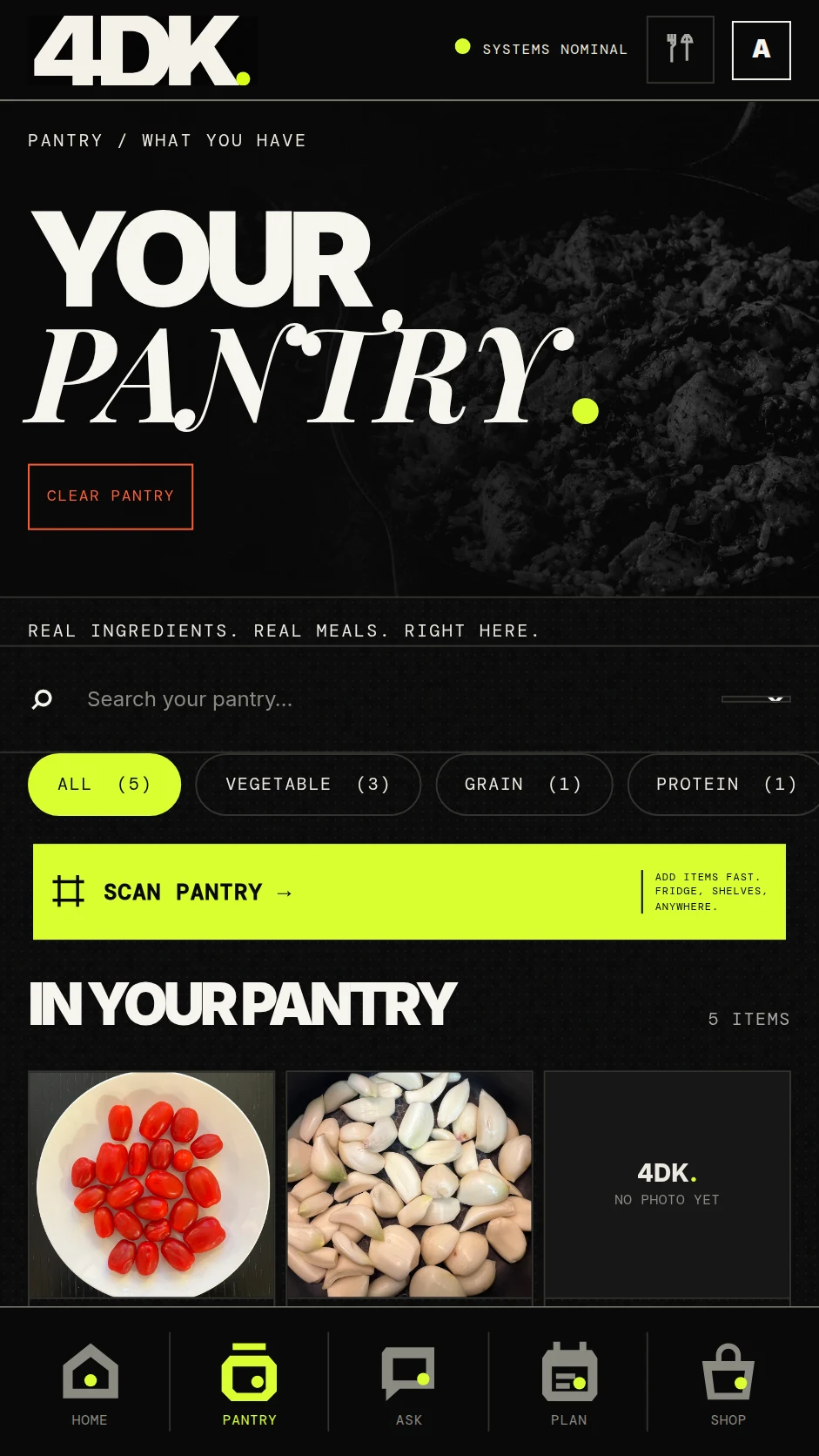
Your pantry should
do the filtering.
The web can explain the decision rule. 4DK can apply it to the ingredients you actually have instead of making you type your entire kitchen into every search.
See what fits my pantry →What should I ask after I know what I have?
The next useful question usually narrows by time, freshness, substitution or a specific ingredient combination.